









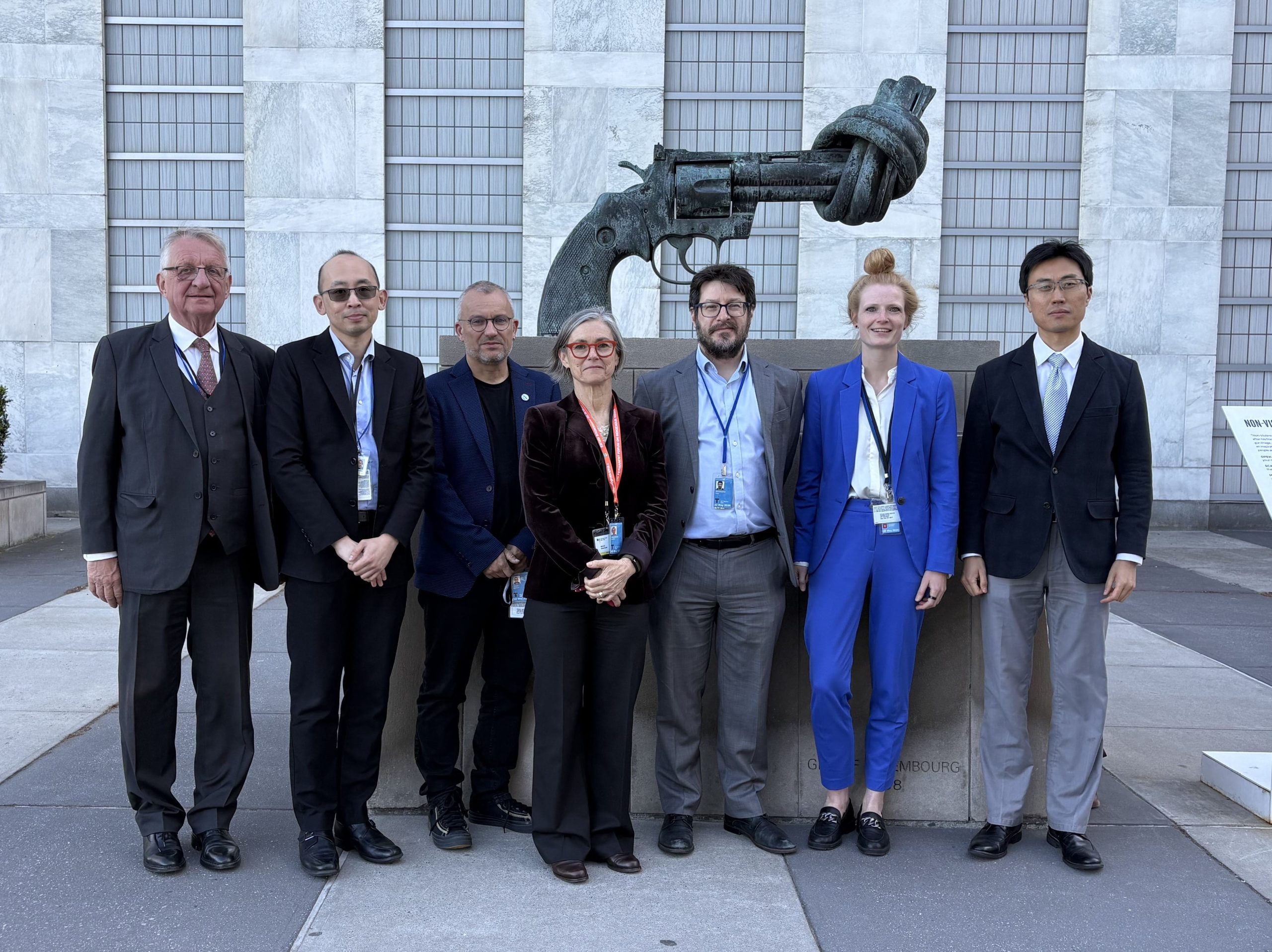












Hosted by the Alva Myrdal Centre for Nuclear Disarmament at the University of Uppsala, the annual multidisciplinary AMC conference, themed Building Blocks for Disarmament, took place between June 9-10. VeSPoTec researchers participated and presented in two panels. They used this platform to air new ideas and show preliminary research. Especially the discussions proved that it is possible to engage scholars from social sciences and natural sciences with practitioners in dialogue towards ways forward to controlling the spread of nuclear weapons and disarmament – the ultimate goal.
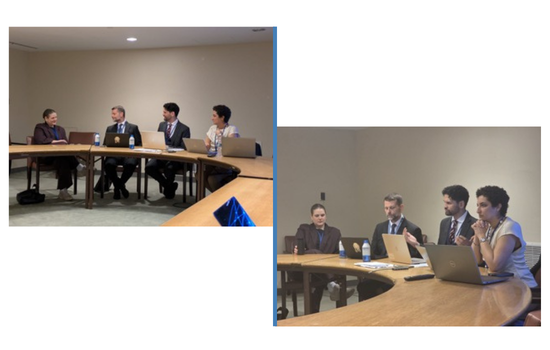
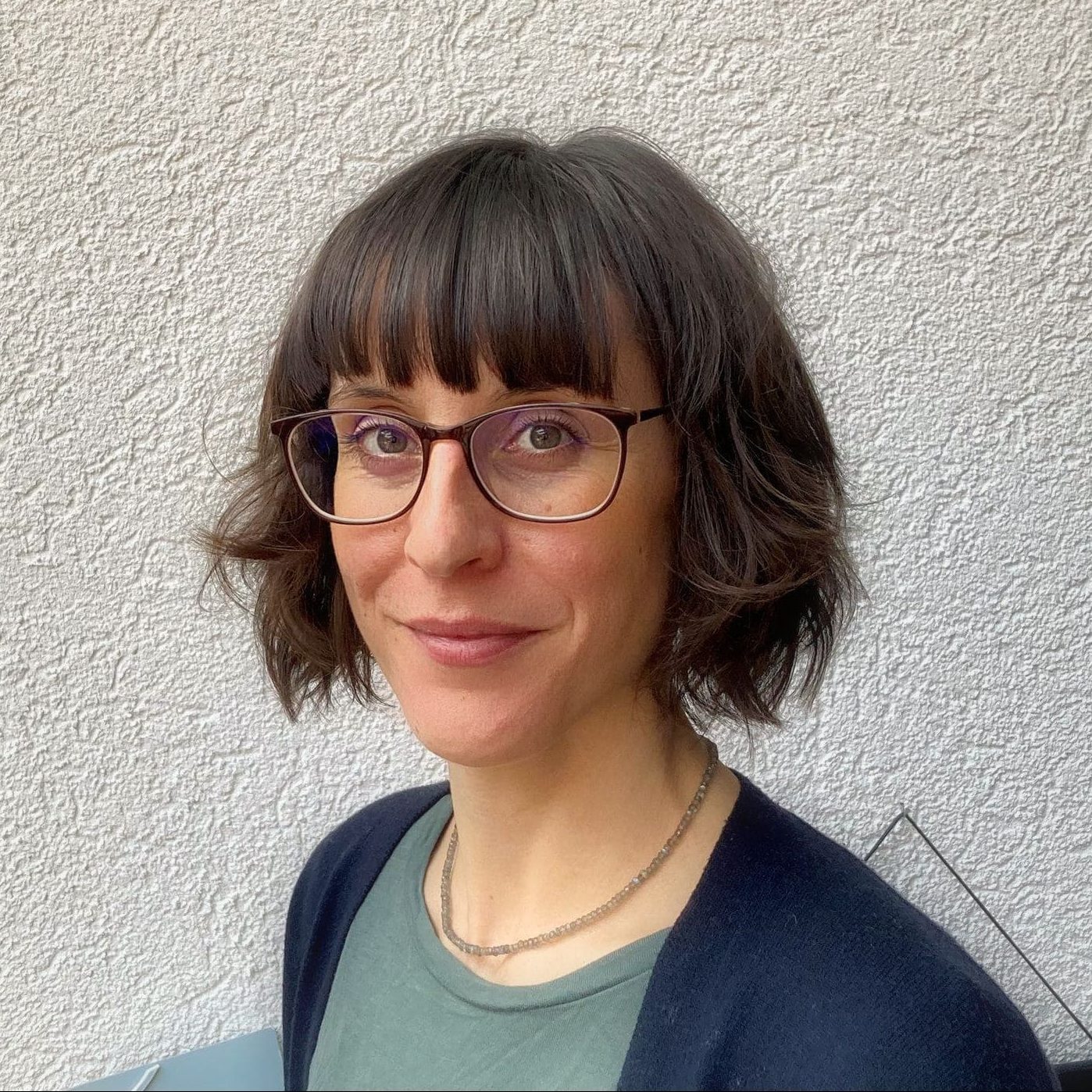
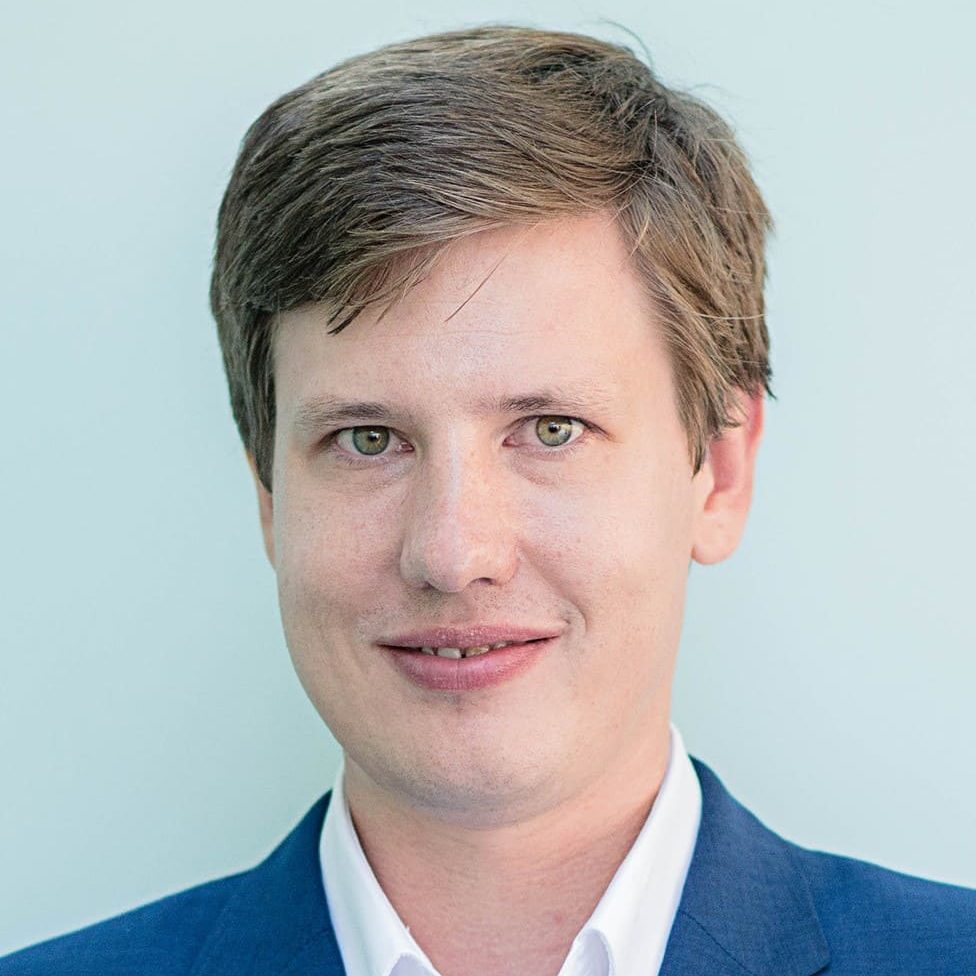
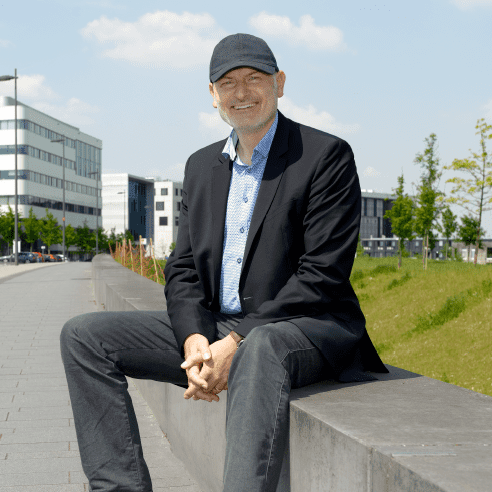
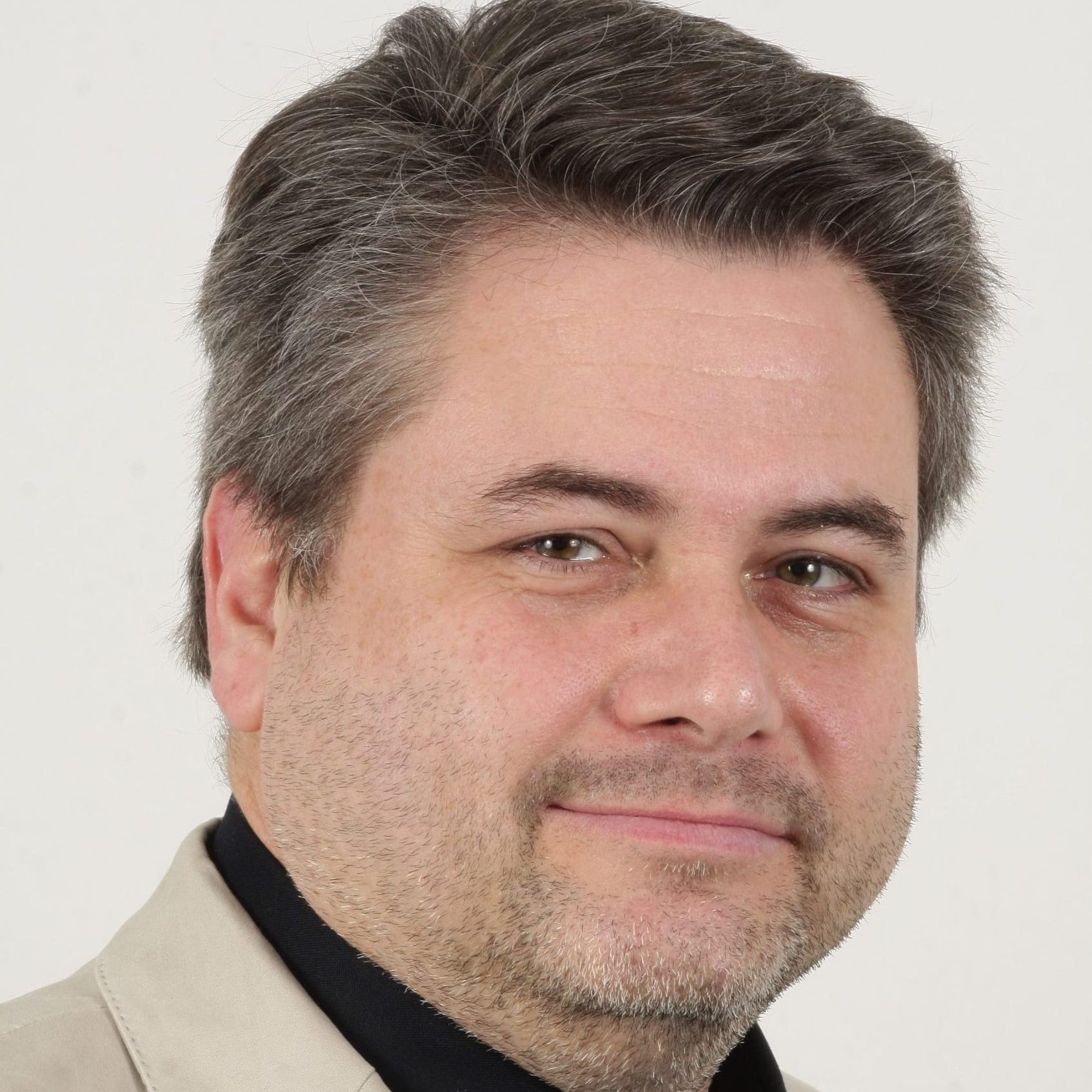
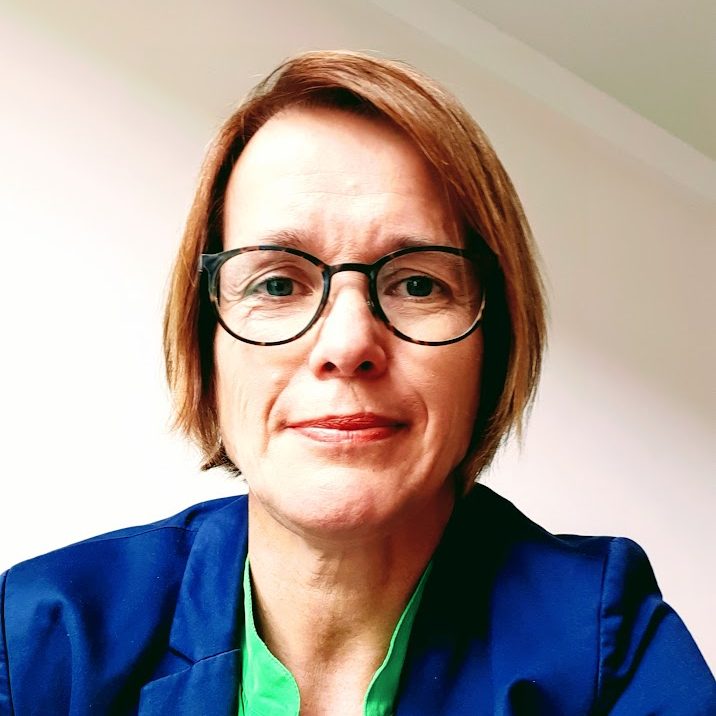
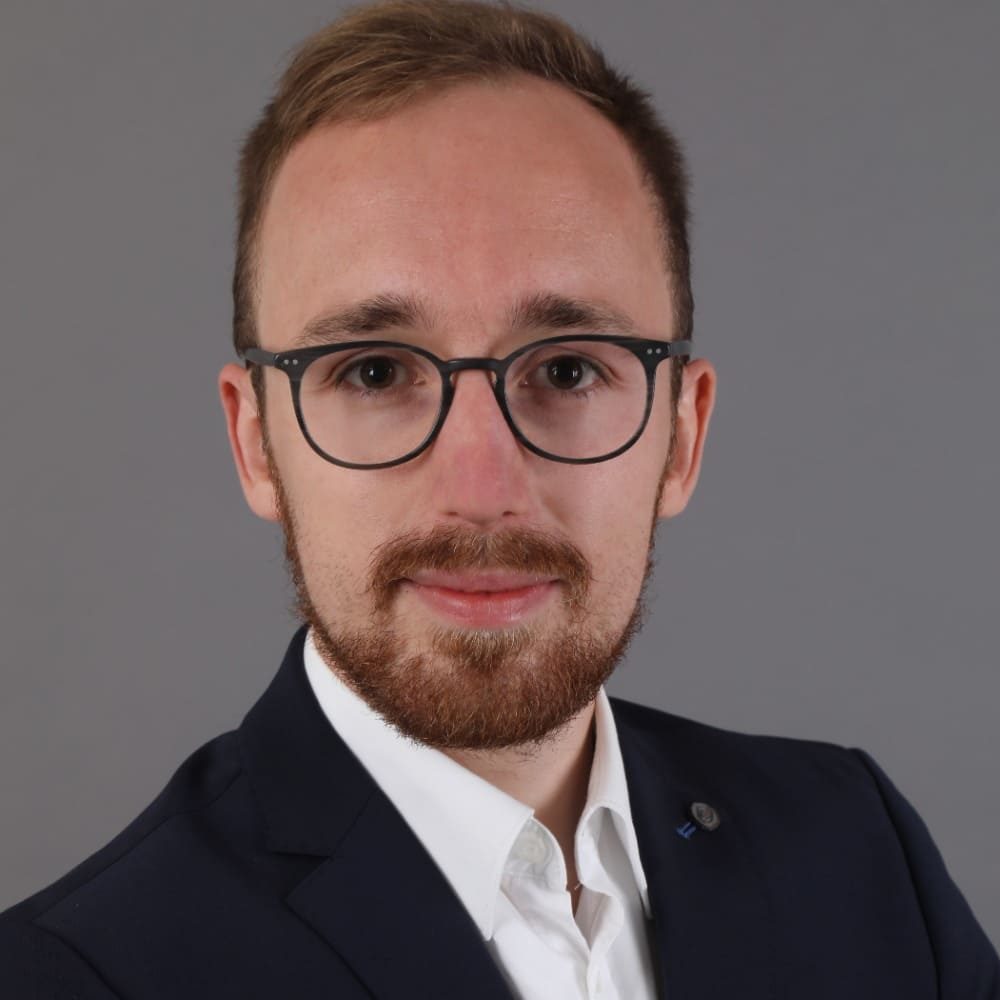
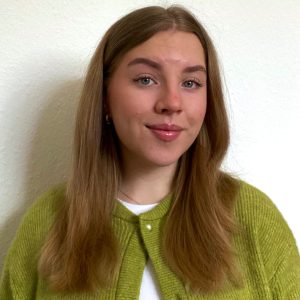
Julian J. Schäfer (RWTH Aachen) and Robin E. Möser (PRIF) presented in the panel 2B: Verification systems: reflections and evolving approaches, whereas Kim Westerich-Fellner introduced a newly established nuclear disarmament verification initiative organized by Forschungszentrum Jülich in the session 1B: Approaches for Disarmament Verification.
What factors influence knowledge production in verification regimes, such as the NPT or the CTBT? Julian J. Schäfer presented the conference paper, “Verification as forming and performing of knowledge infrastructures”, co-authored by Linda Ostermann and Stefan Böschen. He proposed an analytical approach to answering this question, interpreting nuclear verification regimes as knowledge infrastructures and focusing on the institutional, technical, organisational, and classification layers in which knowledge is produced, but also limited, for trust-building.
In his presentation titled Societal Verification and Nuclear Proliferation: Opportunities and Challenges of an alternative Approach to Verification, Robin E. Möser shared first impressions from his interviews with practitioners on societal verification and how non-state actors engage in the production of verification-relevant information.
In a session on future approaches to disarmament verification, Kim Westerich-Fellner introduced the Expert Panel on Nuclear Disarmament Verification (EXPAND), a newly established non-governmental initiative that seeks to complement and inform multilateral and UN-led efforts by assessing existing and emerging verification technologies and mechanisms, and outlining practical pathways for future nuclear arms control and disarmament agreements.
All in all, the two-day conference provided a stimulating forum for exchanging and discussing ideas on current security challenges, among old friends and new acquaintances.

